· Photography · 4 min read
Hill Country in January Light
January is the best time to shoot in the Texas Hill Country. Cold front clarity, bare cedar, low sun. Notes from a weekend out near Wimberley.

Most people avoid the Hill Country in January. The wildflowers are months away, the swimming holes are too cold, and the tourism crowds that make March and April a nightmare have mostly gone home. That’s exactly why I go.
Winter light in Central Texas hits differently than any other time of year. The sun stays low even at midday, which means you get extended golden hours that don’t exist in July. Cold fronts blow through and leave the air genuinely clear — not the hazy clarity you get in summer, but the kind where limestone outcrops 30 miles away look like they’re right in front of you.
Friday Afternoon: The Drive In
I came in on 290 west from Austin, which is not the most interesting road but it connects to FM 3237 south of Johnson City and that stretch through the hills before Wimberley is worth slowing down for. Rolling hills, old live oaks, the occasional cedar brake, and the quality of light at 4pm in January that makes everything look like it was color-graded.
I stopped twice before I reached my campsite.
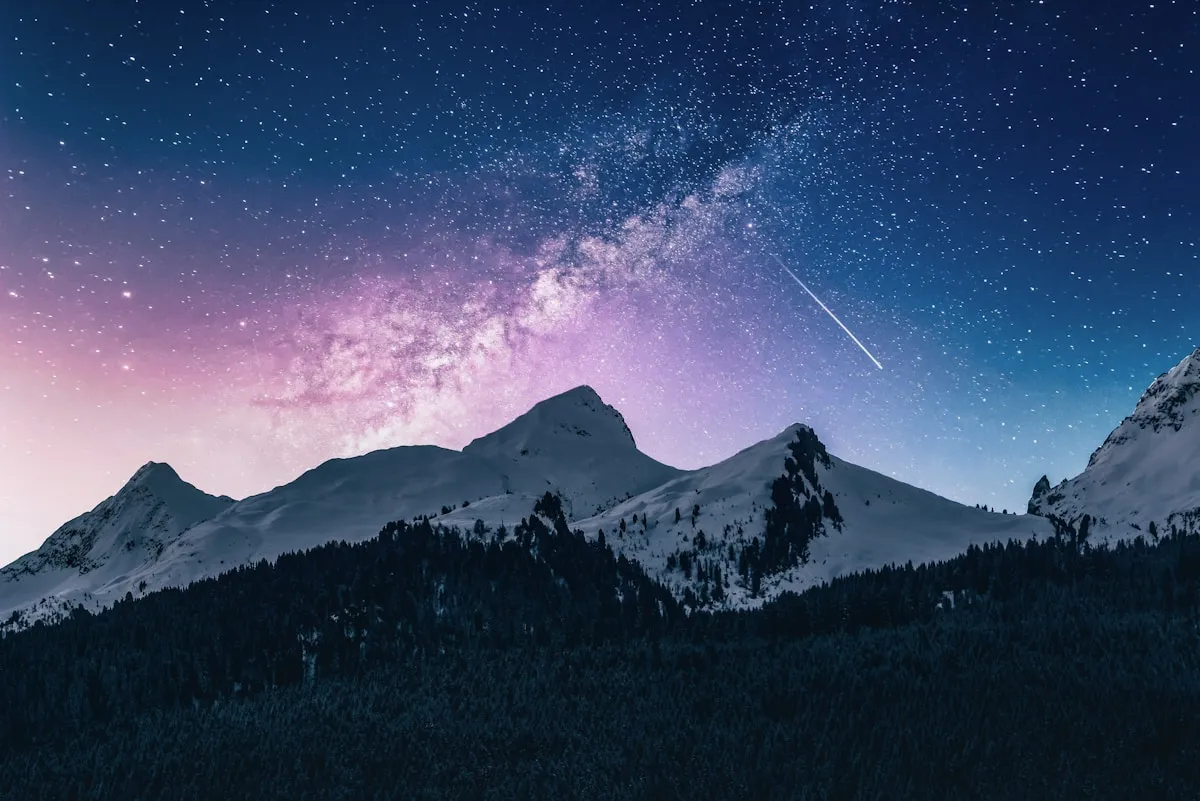
This was hand-held at 1/500 with the 85mm. The low sun was coming in at about 15° off the horizon, which is the kind of angle that makes grass glow and turns everything golden without washing it out. I took about forty frames in ten minutes and kept maybe six.
Saturday Morning: The Creek
The Blanco River near Wimberley runs low and clear in January. No summer swimmers, no kayakers, no crowds at the public access point. Just the water and the cypress trees and, that morning, a thin fog sitting about three feet off the surface.
Golden hour: 07:23 – 08:11
Temperature: 38°F
Wind: 4 mph NNE
Conditions: Fog dissipating, clearing by 09:00
I got there at 07:15 and stayed until the fog burned off. The light came in low from the east and caught the fog layer from below, which created this strange glowing effect where you couldn’t see the horizon but the foreground rocks and cypress roots were lit perfectly.

I was running the 24-70 at 35mm for most of the river work. Wide enough to include the fog layer and some sky, tight enough to compress the river bank into the frame the way I wanted it. The fog scene is the one I’d point to as the reason January is worth the cold.
On Shooting in Winter
The practical adjustments are minor. Battery life drops — I was getting about 60% of normal shots per charge in the morning cold, so I kept a warm battery in an inner pocket. My hands were mostly fine until the temperature dropped below 35°F, at which point I started fumbling the controls.
The compositional difference is bigger. In spring you’re shooting wildflowers and full green canopy and the light is diffuse and soft from cloud cover. In January you’re shooting structure — the bones of the landscape, the texture of bark and rock and water. Bare trees are actually more interesting to photograph than trees in full leaf because you can see through them and the lines are cleaner.
Hill Country limestone in January light is something I want to keep shooting. The color ranges from pale cream to almost orange depending on the angle and the moisture content of the rock, and at low sun angles it develops a depth that photographs don’t fully capture but you keep trying anyway.
Gear for the Day
- Sony A7 IV, body only
- 24-70mm f/2.8 GM for landscapes and the river work
- 85mm f/1.8 for the afternoon roadside stops
- Gitzo tripod for anything below 1/125 — not always worth the weight, absolutely worth it for the fog shots
- Extra batteries in an inner pocket
I left the ND filters at home and didn’t miss them. January in the Hill Country doesn’t need a lot of ND work — the light is already doing what you want without intervention.
Comments are disabled (Giscus not yet configured).


